
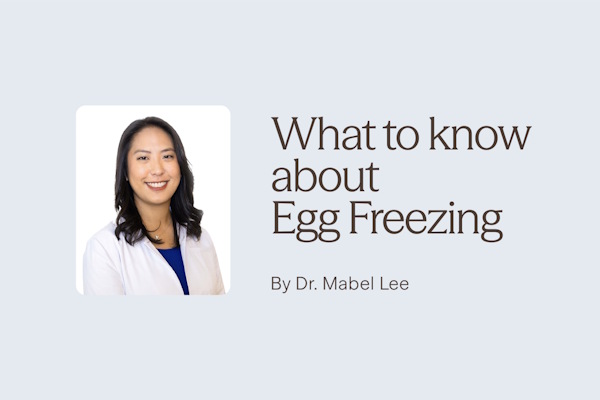
Mabel Lee, MD, FACOG of HRC Fertility Pasadena, recently authored an article examining the evolving role of egg freezing in modern reproductive planning. Drawing on data published in the American Journal of Obstetrics and Gynecology, Dr. Lee explores national trends, patient motivations, and clinical outcomes to challenge the perception of egg freezing as merely a lifestyle choice. Instead, she presents it as a practical, evidence-based strategy that reflects shifting personal, professional, and biological timelines in today’s fertility landscape.
Egg freezing is often viewed as a luxury or lifestyle trend, but the data tells a different story. In recent years, more individuals are choosing egg freezing as a proactive way to manage fertility preservation, reproductive timing, and long-term‑ family building. Biology has not changed—but personal, financial, and relationship timelines have.
In a study published in the American Journal of Obstetrics and Gynecology, I analyzed national trends to understand who freezes their eggs, who returns to use them, and what outcomes occur after thawing. These insights help explain the growing interest in egg freezing as a practical reproductive strategy.
Between 2014 and 2021, elective egg freezing in the U.S. nearly quadrupled, reflecting a rising awareness of age-related‑ fertility decline. Many major life milestones—such as finding a partner, building a career, or achieving financial stability—no longer align neatly with peak fertility years. Younger patients are also choosing to freeze their eggs, signaling a more proactive approach to fertility building. This shift is important, as age at the time of freezing remains one of the strongest predictors of future success.
A common question for both patients and physicians about egg freezing is how often individuals return to use their frozen eggs. The data shows that only about 6% of people return within five to seven years of freezing. While this number appears low, there are several factors that might prevent using frozen eggs:
- Many patients are still early in their reproductive timeline
- Some are not yet ready to pursue pregnancy
- Others conceive spontaneously and do not need their frozen eggs
Many individuals may return after the study’s follow-up window. Egg freezing is not a guarantee for‑ a future child, but it does offer an additional reproductive option when needed.
For patients who do return to use their frozen eggs, outcomes are encouraging. Most individuals are able to create usable embryos, and the cumulative live‑birth rate approaches 30%. For comparison, a healthy couple’s chance of natural conception is approximately 20–25% per month. As expected, success rates are closely tied to the age at which eggs were frozen, with stronger outcomes among those who froze eggs earlier.
Egg freezing does not stop the aging process, and it cannot guarantee a future pregnancy. However, it is far more than a lifestyle trend. Egg freezing:
- Expands future reproductive options
- Helps individuals align biological and personal timelines
- Supports long-term‑ fertility building
- Offers flexibility and reproductive autonomy
By providing access to younger eggs later in life, egg freezing reduces an individual’s need to make major life decisions around their fertility window. The focus should shift away from whether someone “should” freeze their eggs and toward ensuring they receive accurate, evidence-based‑ counseling to make the choice that fits their goals.
For more information about egg freezing and to determine whether it is the right option for your individual goals, consider scheduling a consultation with Dr. Lee at HRC Fertility by calling 1.866.472.4483 or by using our secure online appointment request. A personalized discussion can help you better understand your fertility timeline, available options, and the most appropriate path forward based on your unique needs.