
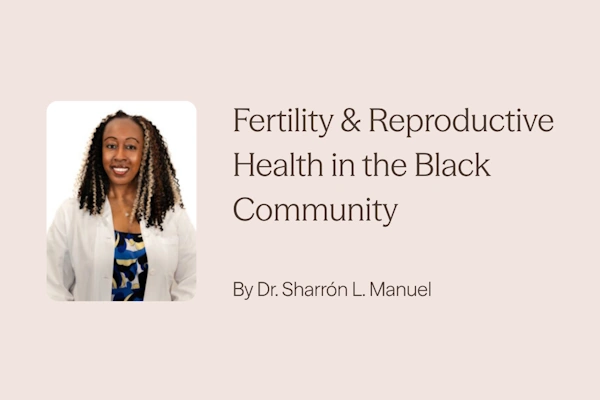
Understanding Maternal Health Inequities
Fertility and reproductive health challenges disproportionately affect the Black community. Many Black individuals and families experience systemic barriers, delayed diagnoses, and limited access to care that make it harder to receive timely, effective fertility care.
These challenges extend beyond fertility treatment. In the United States, Black women are more than three times more likely to die from pregnancy r‑elated causes than white women, a statistic that remains consistent across income, education levels, and insurance status. Higher rates of severe maternal morbidity, preterm birth, and low birth-weight‑ infants highlight the need for comprehensive, early intervention in reproductive and maternal health.
Fertility Challenges in the Black Community
Black women face infertility at nearly twice the rate of white women but are significantly less likely to receive fertility evaluation or treatment. Several factors contribute to this disparity:
- Delayed Diagnoses: Conditions such as fibroids and endometriosis—both highly prevalent among Black women—often go undiagnosed or undertreated. Fibroids alone affect up to 80% of Black women by age 50, increasing risks of infertility, miscarriage, and pregnancy complications.
- Lower IVF Success Rates: Even when adjusting for age and medical history, Black women often experience lower IVF success rates. These differences reflect broader systemic inequities in healthcare access, treatment pathways, and follow-up‑ care.
- Financial Barriers: While more states have introduced fertility coverage requirements, High out-of-‑ ‑pocket costs continue to prevent many Black individuals and families from accessing fertility services.
- Medical Mistrust: Black patients frequently report experiences of bias, dismissal, or inadequate follow-up during medical visits. This contributes to understandable mistrust and delays in seeking care—both of which negatively impact‑ reproductive health outcomes.
The Importance of Representation & Culturally Competent Care
Representation in reproductive medicine matters. Diverse healthcare teams and culturally competent providers help foster better communication, mutual trust, and more responsive care. While having a provider of the same racial or cultural background does not guarantee better outcomes, patients consistently report better experiences when they feel heard, validated, and respected.
Improving representation, investing in cultural competency training, and empowering patients to advocate for themselves are essential steps toward reducing disparities in fertility, pregnancy, and maternal health outcomes.
Moving Toward Reproductive Equity
Black women continue to face disproportionately high infertility rates along with structural, financial, and medical barriers that limit timely access to care. Awareness is the first step, but equity requires action—including expanding access, improving early evaluation, and strengthening maternal health support year-round‑.
At HRC Fertility – Pasadena, my team and I are committed to providing compassionate, evidence-based‑ care for Black individuals and families. By acknowledging disparities, expanding access, and prioritizing building trust, we can support healthier and more empowered pathways to parenthood.
If you are navigating fertility challenges or have questions about your reproductive health, schedule an appointment at HRC Fertility today. We’re here to help you take the next step on your family-building journey.